How does your media product use, develop or challenge forms and conventions of real media products?
Our media product uses conventions of a romance by showing a race against time to show emotions of love, and we chose to create a character that is representative of the genre in a way that the character embodies things that are associated with love, for example art, as when asked what characteristics the main character should have, participants of our questionnaire suggested ‘creative’ ‘quirky’ ‘carefree’ and ‘shy’. We also chose to use a female lead character, as our questionnaire results said that 70% of participants preferred a female main character. However in a way our main female character challenged conventions of the romance genre in a way that she was not stereotypically the ‘average’ woman. We wanted to challenge this convention in order to provide a different way for the audience to use the media for diversion and personal relationships.
Another way we challenged a convention of the romance genre is that out film location is at the beach, when typical romance films are based in the city. We chose to use the beach, particularly Brighton Pier for it being an iconic place in England, therefore many people will be able to use our product for a realistic type of diversion in terms of location.
25/04/2010

24/04/2010
RESEARCH FOR SLIDE SHOW
Theories
As part of our research we looked at theories on media. One was the uses and gratifications theory, where individuals use media for diversion, personal relationships, personal identity and surveillance. Therefore we wanted our film opening to provide some of those factors to entice the audience, we included diversion, personal relationships and personal identity through the characters, mise en scene and location.
Another theory we looked at was the reception theory, the idea that different people receive and interpret a text differently and that their individual circumstances (gender, class, age, ethnicity) affect their decoding of what is encoded by the producers . To avoid major differences in readings of the same code, we used recognised codes and conventions to draw upon audience expectations relating to aspects such as genre and mise en scene, and therefore created a certain amount of agreement on what the code means.
Romance as our chosen genre
The main narrative of a romantic genre follows a construction of finding new love, or falling in love. Which is usually centred around a central woman or male character. Often emotions are dealt with that target the female market as they are put into a position to feel emotional from the narrative of the film, as they can usually relate to the main female characters situations and issues that they express around relationships and love. This is an audience pleasure as audiences can seek gratification needs from the media, by using the uses and gratification model. For example audiences can build a relationship or identify themselves with the female character.
After analysing some romance films such as Bridget Jones’ Diary, The Time Traveller’s Wife and Love actually we found there were similarities:
-The leading female character is looking for love, or falls in love, or is heartbroken but saved by love. (narrative)
-Iconography /misenscene, and camera angles are similar – for example the couple running up to each other and embracing in love as the camera seeks a close up shot of their faces
-A race against time, to express emotions of love
-Non diegetic music that creates a climax and tense atmosphere
-Generic types, characters that are associated with the genre. For example in Bridget Jones’ Diary there is the stereotypical good looking business man, and Bridget is the stereotypical average English woman
As part of our research we looked at theories on media. One was the uses and gratifications theory, where individuals use media for diversion, personal relationships, personal identity and surveillance. Therefore we wanted our film opening to provide some of those factors to entice the audience, we included diversion, personal relationships and personal identity through the characters, mise en scene and location.
Another theory we looked at was the reception theory, the idea that different people receive and interpret a text differently and that their individual circumstances (gender, class, age, ethnicity) affect their decoding of what is encoded by the producers . To avoid major differences in readings of the same code, we used recognised codes and conventions to draw upon audience expectations relating to aspects such as genre and mise en scene, and therefore created a certain amount of agreement on what the code means.
Romance as our chosen genre
The main narrative of a romantic genre follows a construction of finding new love, or falling in love. Which is usually centred around a central woman or male character. Often emotions are dealt with that target the female market as they are put into a position to feel emotional from the narrative of the film, as they can usually relate to the main female characters situations and issues that they express around relationships and love. This is an audience pleasure as audiences can seek gratification needs from the media, by using the uses and gratification model. For example audiences can build a relationship or identify themselves with the female character.
After analysing some romance films such as Bridget Jones’ Diary, The Time Traveller’s Wife and Love actually we found there were similarities:
-The leading female character is looking for love, or falls in love, or is heartbroken but saved by love. (narrative)
-Iconography /misenscene, and camera angles are similar – for example the couple running up to each other and embracing in love as the camera seeks a close up shot of their faces
-A race against time, to express emotions of love
-Non diegetic music that creates a climax and tense atmosphere
-Generic types, characters that are associated with the genre. For example in Bridget Jones’ Diary there is the stereotypical good looking business man, and Bridget is the stereotypical average English woman
EVALUATION QUESTIONS
Media evaluation questions and answers
How does your media product represent particular social groups?
The current overbearing representation of teenagers has connotations of criminality, drugs, being out of control, alcohol and trouble-seeking. We aimed to represent teenagers as mature and ‘average’ but with slightly younger characteristics-such as lack of time keeping from the female protagonist and time lapse shots of the male protagonist waiting.
Our media product uses different techniques to represent an ‘indie’(which is short for individual, creative) style social group through sound, editing, camera shots and mise en scene. The female protagonist is dressed mellow colours and floral patterns, this represents the current ‘indie’ style of females. She is surrounded by artwork in the establishing shot, art is a main focus of ‘indie’ for its expressiveness. The male protagonist is also dressed in current ‘indie’ style, both of the characters are not dressed in designer clothes or well known brand names because the term ‘indie’ embodies not being mainstream.
The social group is also represented through our choice of soundtrack, the fact that we used music from an unsigned and uncopyrighted shows this in itself, however the style of music is a mix of acoustic, folk, and indie to represent the social group.
The editing effects we used were sketch-like for the credits, art is typically seen as a factor of the ‘indie’ social group as it is a form of creativity and expression, and that is what the term ‘indie’ is based on, being individual and expressive.
Our camera shots also are art focused, as they are bright and colourful, and the location is at the seaside which is a place of natural beauty, another factor of ‘indie’.
What have you learned about technologies from the process of constructing this product?
We have learned a lot and come to have a good understanding of the whole process involved in creating a movie sequence, using the camera, tripod, imovie software on the apple mac and much more. Operating the camera and tripod was not very hard, though we learned that it could be difficult to align the camera to take a level shot, or that the tripod was sometimes stiff. We accommodated to this by taking extra time to make sure the camera was in suitable positioning and turn the camera while holding it, not just using the handle on the tripod.
We also learned how to use the program imovie on the apple mac. Once we learned which keys to press to perform actions it was fairly easy to edit our camera shots. We also made use of the video fx options on our work with the credits. However sometimes the mac froze when we had been doing a large amount of editing, so we had to wait until it worked again.
Another program we learned to use on the mac was garageband. This is software that we could use to make a soundtrack for our product, we made a sequence of music but in the end we decided that it was best to use music from a band because it was done professionally and sounded better for our movie opening.
How does your media product represent particular social groups?
The current overbearing representation of teenagers has connotations of criminality, drugs, being out of control, alcohol and trouble-seeking. We aimed to represent teenagers as mature and ‘average’ but with slightly younger characteristics-such as lack of time keeping from the female protagonist and time lapse shots of the male protagonist waiting.
Our media product uses different techniques to represent an ‘indie’(which is short for individual, creative) style social group through sound, editing, camera shots and mise en scene. The female protagonist is dressed mellow colours and floral patterns, this represents the current ‘indie’ style of females. She is surrounded by artwork in the establishing shot, art is a main focus of ‘indie’ for its expressiveness. The male protagonist is also dressed in current ‘indie’ style, both of the characters are not dressed in designer clothes or well known brand names because the term ‘indie’ embodies not being mainstream.
The social group is also represented through our choice of soundtrack, the fact that we used music from an unsigned and uncopyrighted shows this in itself, however the style of music is a mix of acoustic, folk, and indie to represent the social group.
The editing effects we used were sketch-like for the credits, art is typically seen as a factor of the ‘indie’ social group as it is a form of creativity and expression, and that is what the term ‘indie’ is based on, being individual and expressive.
Our camera shots also are art focused, as they are bright and colourful, and the location is at the seaside which is a place of natural beauty, another factor of ‘indie’.
What have you learned about technologies from the process of constructing this product?
We have learned a lot and come to have a good understanding of the whole process involved in creating a movie sequence, using the camera, tripod, imovie software on the apple mac and much more. Operating the camera and tripod was not very hard, though we learned that it could be difficult to align the camera to take a level shot, or that the tripod was sometimes stiff. We accommodated to this by taking extra time to make sure the camera was in suitable positioning and turn the camera while holding it, not just using the handle on the tripod.
We also learned how to use the program imovie on the apple mac. Once we learned which keys to press to perform actions it was fairly easy to edit our camera shots. We also made use of the video fx options on our work with the credits. However sometimes the mac froze when we had been doing a large amount of editing, so we had to wait until it worked again.
Another program we learned to use on the mac was garageband. This is software that we could use to make a soundtrack for our product, we made a sequence of music but in the end we decided that it was best to use music from a band because it was done professionally and sounded better for our movie opening.
31/01/2010
Theories
In order to put a message across to the audience and present them with concepts to consider, we need to think about what the audience is expecting, and how they will interpret our film opening:
Uses and Gratifications-Reseachers have come up with the idea that different individuals might use media for a number of purposes:
Reception Theory- In the 1980s and 1990s research was done on the way different people received and interpreted a text, and how their individual circumstances (gender, class, age, ethnicity) affected their reading. The research was based on Stuart Hall's encoding/decoding model of the relationship between text and audience - the text is encoded by the producer, and decoded by the reader, and there can be major differences between two different readings of the same code. However, by using recognised codes and conventions, and by drawing upon audience expectations relating to aspects such as genre and use of stars, the producers can position the audience and therefore create a certain amount of agreement on what the code means. This is known as a preferred reading.
This means that we need take a look at what certain types of clothing, items and locations mean to the general audience to make sure our message is not completely misinterpreted
Uses and Gratifications-Reseachers have come up with the idea that different individuals might use media for a number of purposes:
- Diversion - escape from everyday problems and routine
- Personal Relationships - using the media for emotional and other interaction, eg substituting soap operas for family life
- Personal Identity - finding yourself reflected in texts, learning behaviour and values from texts
- Surveillance - Information which could be useful for living eg weather reports, financial news, holiday bargains
Reception Theory- In the 1980s and 1990s research was done on the way different people received and interpreted a text, and how their individual circumstances (gender, class, age, ethnicity) affected their reading. The research was based on Stuart Hall's encoding/decoding model of the relationship between text and audience - the text is encoded by the producer, and decoded by the reader, and there can be major differences between two different readings of the same code. However, by using recognised codes and conventions, and by drawing upon audience expectations relating to aspects such as genre and use of stars, the producers can position the audience and therefore create a certain amount of agreement on what the code means. This is known as a preferred reading.
This means that we need take a look at what certain types of clothing, items and locations mean to the general audience to make sure our message is not completely misinterpreted
Typical factors of a Romace film
Hey, can you 3 take a quick look at this:
http://www.filmsite.org/romancefilms.htm
(bear in mind it's an american site)
Conclusions are:
Our female protagonist is a relaxed teen character engrossed in the idea of love, and her life is a mix of all things associated with it (photography, art, nature). Little does she know that love in the form of our lead male has been within her reach for a long time...or has it?
http://www.filmsite.org/romancefilms.htm
(bear in mind it's an american site)
Conclusions are:
- For our plot we need obstacles between the male & female protagonists being together, as our genre is brit/romance we need to keep it relatable to the general british audience at least
- We want to keep everything as realistic as possible yet still providing entertainment, brit films show life in the raw, so we don't want anything outrageous
- Romance is our main focus, not drama, not comedy or anything else, however these should still be included in order to emphasise romance
- The two actors need to have good chemistry to make the story believable, so we need to ensure our actors are comfortable around each other
Our female protagonist is a relaxed teen character engrossed in the idea of love, and her life is a mix of all things associated with it (photography, art, nature). Little does she know that love in the form of our lead male has been within her reach for a long time...or has it?

27/01/2010
Male Characters Costuming.
After looking at different colours of costuming we came to the conclusion that we would like our MALE character to be dressed in RED and also FASHIONABLY.
We hope that by dressing our character in red this will represent
- Love
- Lust
- Possible Danger
- Energy
- Passion
We hope that by dressing our character fashionably this will
- keep our film current
- make sure our male character seems attractive to our audience
- ensure the audience empathises with our main female protagonist
RED CHECKED SHIRT

Ideally we will dress our character in a red checked shirt. Not only for the use of the 'red' but also as shirts represent a formal appearance. However by using a red checked shirt we create the right balance between formality and informality.
DARK SLIM JEANS

Pairing jeans with a shirt again create the right balance between formality and informality. The use of dark jeans again may represent the idea of 'darkness' and 'danger'. Also, dark jeans are very flattering on men and therefore stimulating our stereotype for male roles in romance movies. Finally, dark jeans are also fashionable at the moment and will consequently keep our film current and trendy.
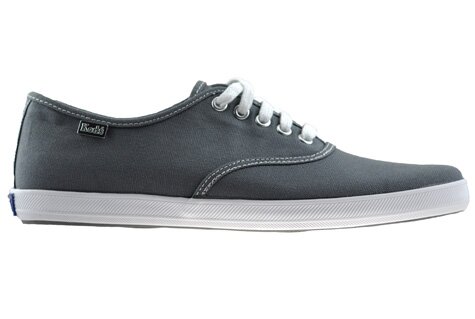
BLACK TRAINERS/PLIMSOLES

We would like to dress our character in black trainers or a variation of plimsoles. This is mainly because they fit with the rest of the outfit and fit with the current fashion and theme of dark colours.




Title Ideas
Themes = Love and photography
frist ideas...
The eye of the beholder
Love through a lense
Instamatic Love
Love in focus
Flash of love
Out of a small survey I did the most popular of the titles were, the eye of the beholder and Love in focus.
frist ideas...
The eye of the beholder
Love through a lense
Instamatic Love
Love in focus
Flash of love
Out of a small survey I did the most popular of the titles were, the eye of the beholder and Love in focus.
Conventional males
Conventional looking Male.
 Aaron Johnson
 George Clooney
 Colin Farrel
Aaron Johnson George ClooneyColin FarrelThese three actors from different generations are all idolised by women and are agreed to be conventionally attractive. These three men all have prominant features that are alike, for example they are brunnette, toned and are masculine. They all fit in to the stereotype 'tall, dark and handsome'.
17/01/2010
Bright star
we just watched and wrote on an interview with Jane Campion, director of Bright star (movie based on a romance between John Keats and Fanny Browne), and noted some very solid ideas on what we need to do to make our film opening convincing, also ideas on our female role.
We have also written notes on female roles in films, and will shortly be looking into the production companies used for romance movies (in particular british)
until next time
We have also written notes on female roles in films, and will shortly be looking into the production companies used for romance movies (in particular british)
until next time
13/01/2010
Shot Reaserch, Film Opening - Angus Thongs and Perfect Snogging
Within the opening sequence of Gurinda Chadha's "Angus Thongs and Perfect Snogging" there is a running scene set in Eastbourne which may help us develop ideas for our won running scene. By analyzing separate shots within this scene we may hopefully gather some good ideas.


In this first shot, the camera tracks the leading character while the titles appear on screen. Although this shot is very effective we do not have the facilities to produce a professional dolly shot tracking our leading character. However this shot is still inspiring as it creates a great effect of focus on the leading character and also a focus on the location the film is set in.

This second shot again tracks the leading character possibly on a dolly on a track. Again we do not have the facilities to completely pull off this shot however it is effective and we will try to incorporate at least one tracking shot in our film opening. The use of the pier in the background gives the audience a clear idea of where the film is set.

This shot is really effective as it is from a distance yet still the focus remains on the leading character.

Again, this shot is effective due to it being a long distance shot but at the same time tracking the lead character. By the use of all the tracking shots this emphasises the focus on the lead showing the audience the story line will involve this one character.

This low angle close up shot gives a great effect of the detail in the leading roles face at the same time setting them against the blue sky backdrop again focusing the audiences attention only on the character and not the setting.

This shot is a point of view shot, giving an insight into the main characters life and showing the focus on her. This shot also adds humor of the elderly people looking baffled at the leading character. In addition to this the shot adds humour.

This is a very strong shot, however it would be very difficult to recreate due to lack of equipment. But it would be great if we could recreate a similar shot.

This shot adds humour and slows down the pace of the scene as we see the main character struggling to pass an elderly man while dressed in an oversized olive costume.

This last shot pans round to show the main characters destination. This is a great long shot that is inspiring as it is shot smoothly.
Overall after analyzing the shots in this film opening it has been very useful to contribute to our ideas for our film opening. However several dolly tracking shots were used which may be difficult to recreate however these shots provide us with great inspiration of how to shoot a professional looking running scene.
Youtube Research Into Film Opening Examples.

After watching lots of other students A/S media coursework on youtube, we discovered that the most professional looking used smart angles and smooth editing. We also discovered that the least professional ones we saw included lots of dialogue. We decided that dialogue may cause our film to look unprofessional as acting with dialogue is more difficult to pull off and also that we do not have the right software to professionally create a realistic, professional finish.
In conclusion, we are going to try to not use dialogue in our film opening to create a professional finish.
12/01/2010
Youtube

We created a youtube account. (username: chloekaddielexielucy)
This will enable us to post research videos and clips of our film opening to enable us to get feedback, positive or negative, helping us to create the best opening for our chosen genre; Romantic Drama.
Yahoo! answers

We created a yahoo! answers account to post our questionnaire onto.
This will hopefully give us a great opportunity to collect data from people all around the world and of different ages. This will widen our research and help us be more productive in creating our opening to appeal to a wider audience.
11/01/2010
Wimbledon – Film opening
• Diegetic sound of tennis ball begins the music sequence
• Titles flit from one side to another, reflective of a game of tennis
• Artist like impression of Wimbledon crowd, flick between two images, to give impression they are watching the ballgame
• Without seeing the actual game, audience aware that it is about tennis, audience turning from one side of the court to another, and clapping, diagetic sound of tennis ball continues throughout
• Flips to images associated with Wimbledon, e.g. the ‘judge’ and the paparazzi
• Non diagetic commentation, clearly the main character
• Low angle shot in slow motion to show the importance of the tennis ball within the game and superiority
• Other main character established in short excerpt showing her winning a game, superiority, and the flip side, him struggling to place/rank high enough – Opposites attract (codes and conventions)
• Through costuming, shown in navy to stand out, whereas others are in white, is he less important, inadequate maybe?
• Main character – made clear he is negative towards tennis due to his disposition
• Extreme close up shot of his blue eye, pulsating, and non diagetic voices that are within his head, shows he is clearly stressed, and anxious, struggles to get away from it all
• Mixed non diagetic music of his commentary and also music to built the tension and pace of the current tennis match he is playing
• Throughout the game the ball is followed, showing the great importance within the game about keeping your eye on the ball – which could also work as a metaphor later on when romance plays its part
• The main characters name is also introduced when a name plate is lifted by another character within the film
• Upper class society, shown through setting in a country house and gardens, with numerous people sat in white tennis clothing sipping drinks, civilised, Peter (main character) doesn’t fully fit in, untucked shirt, jeans and blazer
• Element of humour, helps audience to warm to their character, as does the non diagetic commentary.
• Setting presents Britain in a positive light – the countryside, green grass and beautiful old houses, perfect scene for romance.
We’ve found out that:
The makers of 'Wimbledon', who also made Notting Hill, Bridget Jones and love actually, frequently like to use the codes and conventions of opposites attract and the use of non diagetic commentary from the main character to help the audience truly connect with them, and warm to them.
The presence of romance within the film does not need to be over emphasised in the opening sequence of the film, the audience just needs to be made aware of the character, and are automatically able to make the connection between the two.
The importance of the main theme should be emphasised in the opening sequence, so the audience are aware of the importance of it within the story
Costuming is important to make the main character stand out from others, but not too much that it’s too obvious
It would be clever to use a metaphor within the opening sequence to hint towards what may follow further on in the film in relation to the reoccurring theme
• Titles flit from one side to another, reflective of a game of tennis
• Artist like impression of Wimbledon crowd, flick between two images, to give impression they are watching the ballgame
• Without seeing the actual game, audience aware that it is about tennis, audience turning from one side of the court to another, and clapping, diagetic sound of tennis ball continues throughout
• Flips to images associated with Wimbledon, e.g. the ‘judge’ and the paparazzi
• Non diagetic commentation, clearly the main character
• Low angle shot in slow motion to show the importance of the tennis ball within the game and superiority
• Other main character established in short excerpt showing her winning a game, superiority, and the flip side, him struggling to place/rank high enough – Opposites attract (codes and conventions)
• Through costuming, shown in navy to stand out, whereas others are in white, is he less important, inadequate maybe?
• Main character – made clear he is negative towards tennis due to his disposition
• Extreme close up shot of his blue eye, pulsating, and non diagetic voices that are within his head, shows he is clearly stressed, and anxious, struggles to get away from it all
• Mixed non diagetic music of his commentary and also music to built the tension and pace of the current tennis match he is playing
• Throughout the game the ball is followed, showing the great importance within the game about keeping your eye on the ball – which could also work as a metaphor later on when romance plays its part
• The main characters name is also introduced when a name plate is lifted by another character within the film
• Upper class society, shown through setting in a country house and gardens, with numerous people sat in white tennis clothing sipping drinks, civilised, Peter (main character) doesn’t fully fit in, untucked shirt, jeans and blazer
• Element of humour, helps audience to warm to their character, as does the non diagetic commentary.
• Setting presents Britain in a positive light – the countryside, green grass and beautiful old houses, perfect scene for romance.
We’ve found out that:
The makers of 'Wimbledon', who also made Notting Hill, Bridget Jones and love actually, frequently like to use the codes and conventions of opposites attract and the use of non diagetic commentary from the main character to help the audience truly connect with them, and warm to them.
The presence of romance within the film does not need to be over emphasised in the opening sequence of the film, the audience just needs to be made aware of the character, and are automatically able to make the connection between the two.
The importance of the main theme should be emphasised in the opening sequence, so the audience are aware of the importance of it within the story
Costuming is important to make the main character stand out from others, but not too much that it’s too obvious
It would be clever to use a metaphor within the opening sequence to hint towards what may follow further on in the film in relation to the reoccurring theme
Survey Monkey Questionnaire
We created a questionnaire using survey monkey online, ranging from questions on favourite romance films to the importance of certain conventions within romance films. By asking these questions, it helped us to get to know our target audience better, and to develop a knowledge of what majority of people want from a romance film.
We then distributed our questionnaires to members of our facebook group, several media students at Bournemouth universities, and a large number of students at our school.
A few examples of our discoveries from doing our questionnaire were:
- 60% of those who answered the survey wanted the main two characters to be in their late teens (16-20)
- The most popular romance films that people viewed as their 'favourites' were: The Notebook, Love Actually, The Holiday, Romeo and Juliet, P.S. I love you, Bridget Jones Diary and Twilight.
- 80% would prefer a realistic romance film
- When asked what makes a good romance, a few examples of the responses were:
- 'Something which is very original and sweet. A story with a twist, where maybe the underdog OR really nice person ends up happy and in love'
- 'Love coming out against all odds'
- 'For me, it's a break from the standard cliche romantic story. I like a nice, unexpected story or twist'
- 'well developed characters, a good plot, element of comedy'
- 90% of the people taking the questionnaire thought it was either important or very important that the story had a happy ending
- Over 60% thought it was important to have obstacles along the way within the relationship on screen
- Around 70% thought the main character should be a girl, but 30% thought that having a male main character would break the mould a give an added twist
- The most popular characteristics for the main character to bare were: creative, witty, happy, clever, carefree, sensitive, charming, naive, quirky and shy.
- Nearly 70% thought that the best romance setting was in a city
- There were a variety of different answers to most romantic setting, a few examples were:
-'A winter cottage holiday, possibly in Ireland by the seaside by a big, roary fire with lots of knitwear'
- 'sunset on the beach, or returning to the place where you had your first date'
- 'Snowy city at Christmas eg. New York'
From gathering these answers, it has helped us a lot to get a better view of what a variety of different people want from a romance, and the areas within they feel are most important to them. By doing so, we can carry forward some of these ideas and adapt them and develop them to fit within our storyline, to create the best possible outcome.
Facebook Group
We have created a Facebook Group Page and have invited a variety of different people, to enable us to have easy access to an adaquate number of people, from whom we can get feedback on current plans for the film opening, costuming, setting and issues etc. that we may be facing. This will help us to be more critical of our work, and take that criticism from others and use it constructively.

Location.
List of locations needed for our two minute intro clip;
- a park/paved/muddy area (for children splashing in puddles scene) possibly the location in Tonbridge park outside swimming baths
- a park/grassy area (for man/dog scene) Tonbridge park or local field
- a pebbled beach (for teenage icecream scene and running scene) Brighton beach
- a small bedroom (leading characters room) one of our own bedrooms or flat located in Tunbridge Wells
- flight of stairs (running scene) in flat building of Tunbridge Wells
- suburban street (running scene) located in Brighton
- city center (running scene) Brighton
- pier (running scene) Brighton
02/01/2010
Storyline
A rough outline of our film opening...
- Non-diagetic music plays overlaid while our film production companies appear. (undecided at this point)
- Fade up from black showing a moving image of two small children (aged from 4-6) holding hands dressed in raincoats and wellington boots jumping and splashing in puddles. This is set in park preferably on a path. The grain of the film should be slightly aged to imply the idea that this image has been 'filmed' and is not necessarily part of the film itself. If possible we would like to include a cross in the middle of the screen again implying the idea that someone is holding the camera.
- The shot will then freeze for a maximum of one second.
- Straight cut to another slightly aged moving image of a man walking a large dog then to an embrace with the dig jumping up to him. (again this shot will include the central cross and the aged effect)
- The shot will then freeze for a maximum of one second.
- Straight cut to a moving image of a young (possibly teen) couple in our setting of Brighton both with ice creams joking around when one sticks a finger in the age cream and onto another ones nose.
- The shot will then freeze for a maximum of one second.
- This image will then fade into a photograph of the still image. The camera will then pan out to reveal this photo along with many others scattered on the floor of a room alongside drawings, paints, pencils, camera lenses and other such materials. These things should all be surrounding a young girl (between the age of 17-20) who will be sitting crossed legged perhaps sketching.
- The girl will then pick up an organiser and come to the current date
- Cut to a zoomed in shot of the date where in a red and circled it says something along the lines of 'Meet on pier 3.00pm
- Cut to a close up of the girls face looking shocked then pans round to see clock showing 2.58
- Cut to close up of the girl cursing.
- At this point the music speeds up where the camera shows lots of shots of the girl scrambling around the room grabbing various things such as a camera, some paper, her organiser etc
- Cut to the camera being shown inside a wardrobe to show the girl opening it and grabbing a jacket.
- Cut to the girl running down the stairs with different shots from outside the front door, to the bottom of the street tracking the girl running down suburban streets then along the beach.
- finally the girl reaches the pier. cut to a shot showing the girls watch showing 3.05 then to a shot of the girl stomping her foot cursing
- cut to a shot showing a boy leaning against the edge of the pier watching her
- the girl looks embarrassed then to a shot of her waling to the edge lifting up her camera
- final shot of an extreme close up of her camera filling the frame
- The titles will then appear in the round lens of the camera.
Subscribe to:
Posts (Atom)
